
DKI has successfully completed the deployment and stabilisation of its Omega 5000 Terminal Automation System at Ipiranga's São Caetano do Sul (SCS) terminal in Brazil. The project marks a significant milestone as Ipiranga's first terminal to adopt the Omega 5000 solution and serves as the foundation for a nationwide rollout across 36 terminals.
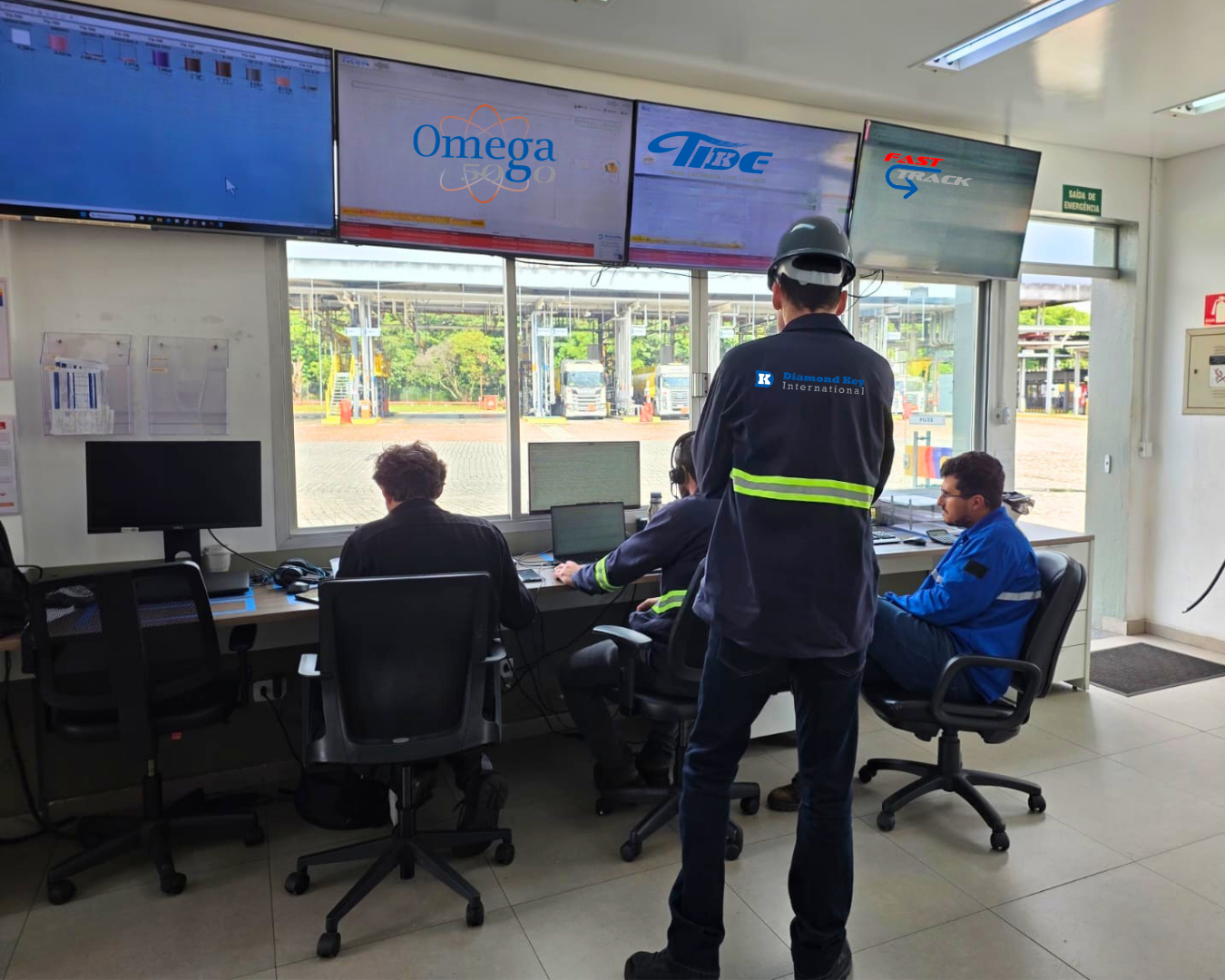
As one of Brazil's major fuel distribution terminals, the SCS facility operates around the clock, handling approximately five million litres of fuel daily. On the first day of operations following the system cut-over, the terminal successfully loaded all 200 scheduled tanker trucks across two unloading bays, two top-loading bays, and six bottom-loading bays without disruption, demonstrating the reliability and readiness of the new platform.
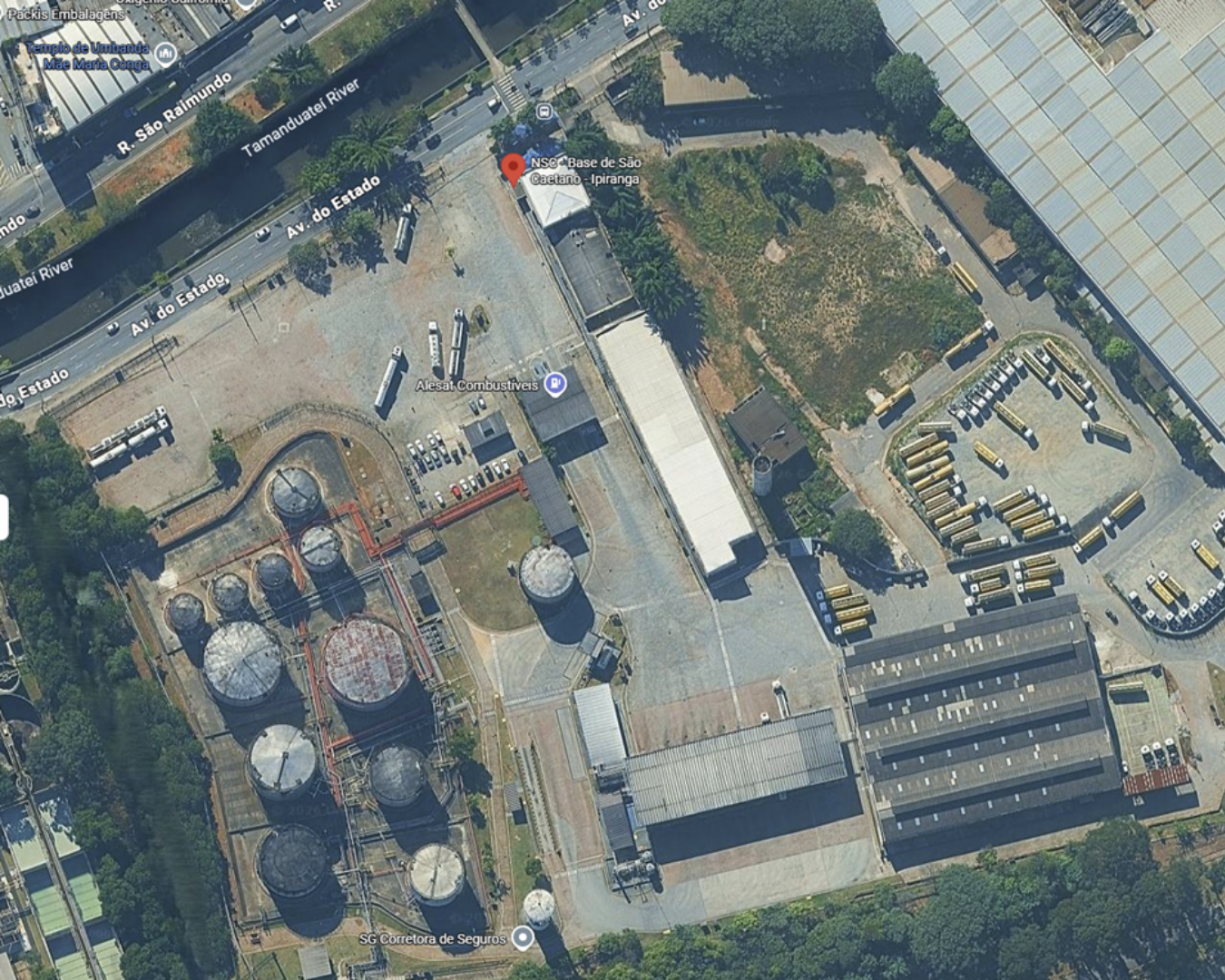
Ipiranga's São Caetano do Sul (SCS) terminal in São Paulo, Brazil
Implementation Challenges
Unlike a conventional greenfield implementation, the project required a complete replacement of the terminal's legacy Terminal Automation System. Due to compatibility constraints with the existing ERP and SCADA systems, the legacy platform had to be fully decommissioned before Omega 5000 could be commissioned. This meant every loading bay transitioned to the new system simultaneously, with no opportunity for a phased rollout.
The project team also overcame several critical challenges during the final stages of implementation. A key ERP integration issue was identified and resolved just 48 hours before go-live, ensuring a successful transition without delaying operations. Following commissioning, the terminal continued to operate safely on a 24/7 basis for two weeks with zero operational incidents.
Technological Advancements
Another major achievement was the rapid development and deployment of a new DL8000 batch controller integration under demanding project timelines. The integration is now production-ready and will be reused across the remaining terminals within the nationwide programme, reducing implementation time and accelerating future deployments.
In addition to Omega 5000, DKI successfully implemented two complementary digital solutions that further enhance terminal operations. The Terminal Information Data Exchange (TIDE) platform now centralises orders, transfers, invoices, and load authorisations between Ipiranga's ERP system and all 36 terminals, providing greater operational visibility and streamlined data management. At the same time, DKI's FastTrack Queue Management System has been deployed to automate tanker bay allocation, helping reduce waiting times while improving terminal efficiency and resource utilisation.
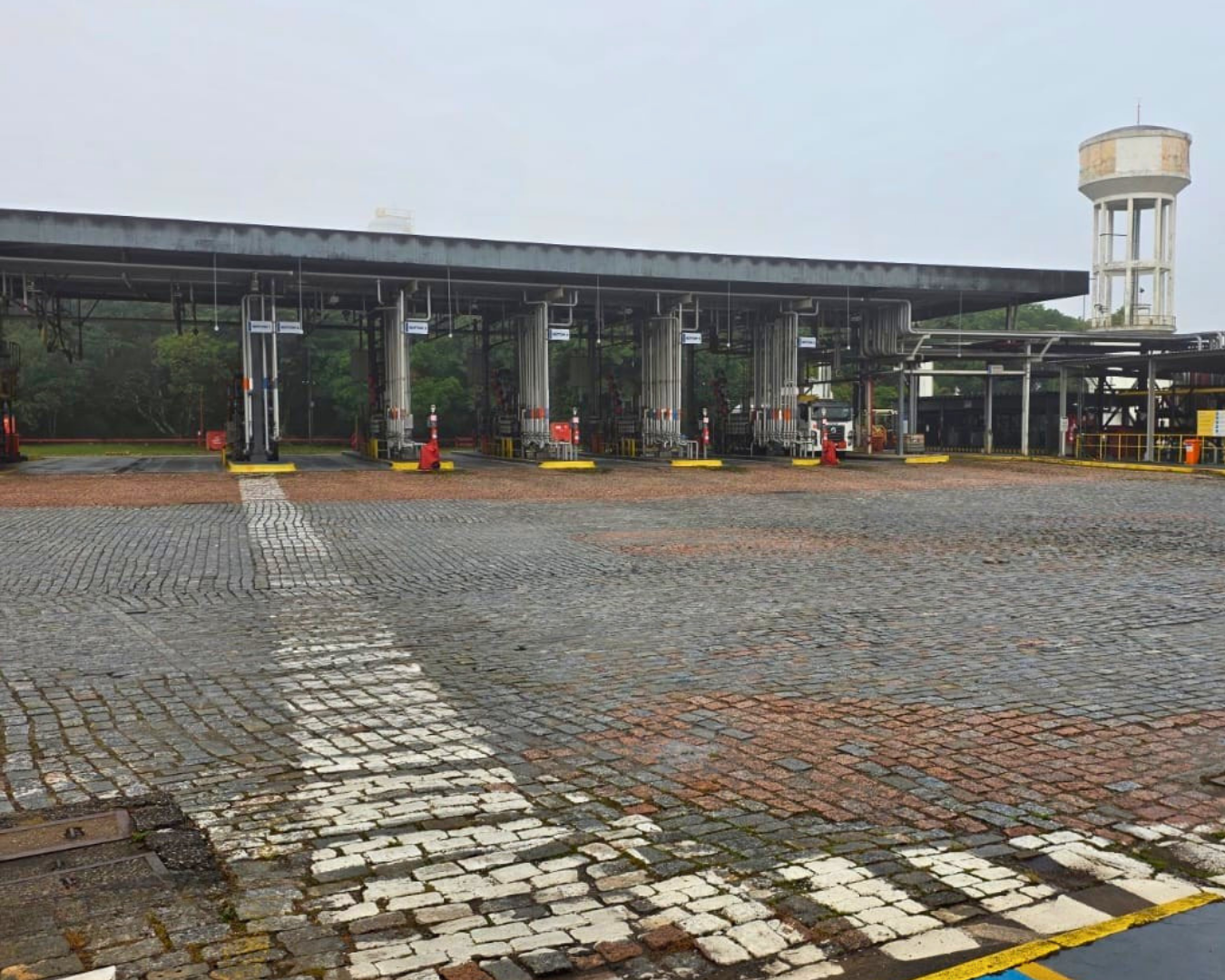
First Tanker Loading
Reflecting on the successful implementation, Diego Teles Araujo, Operations Lead at Ipiranga, commented:
"The outcome confirms the maturity of the Omega 5000 solution and Diamond Key's delivery capability in complex scenarios. The foundation delivered gives us confidence as we move into the next phases."
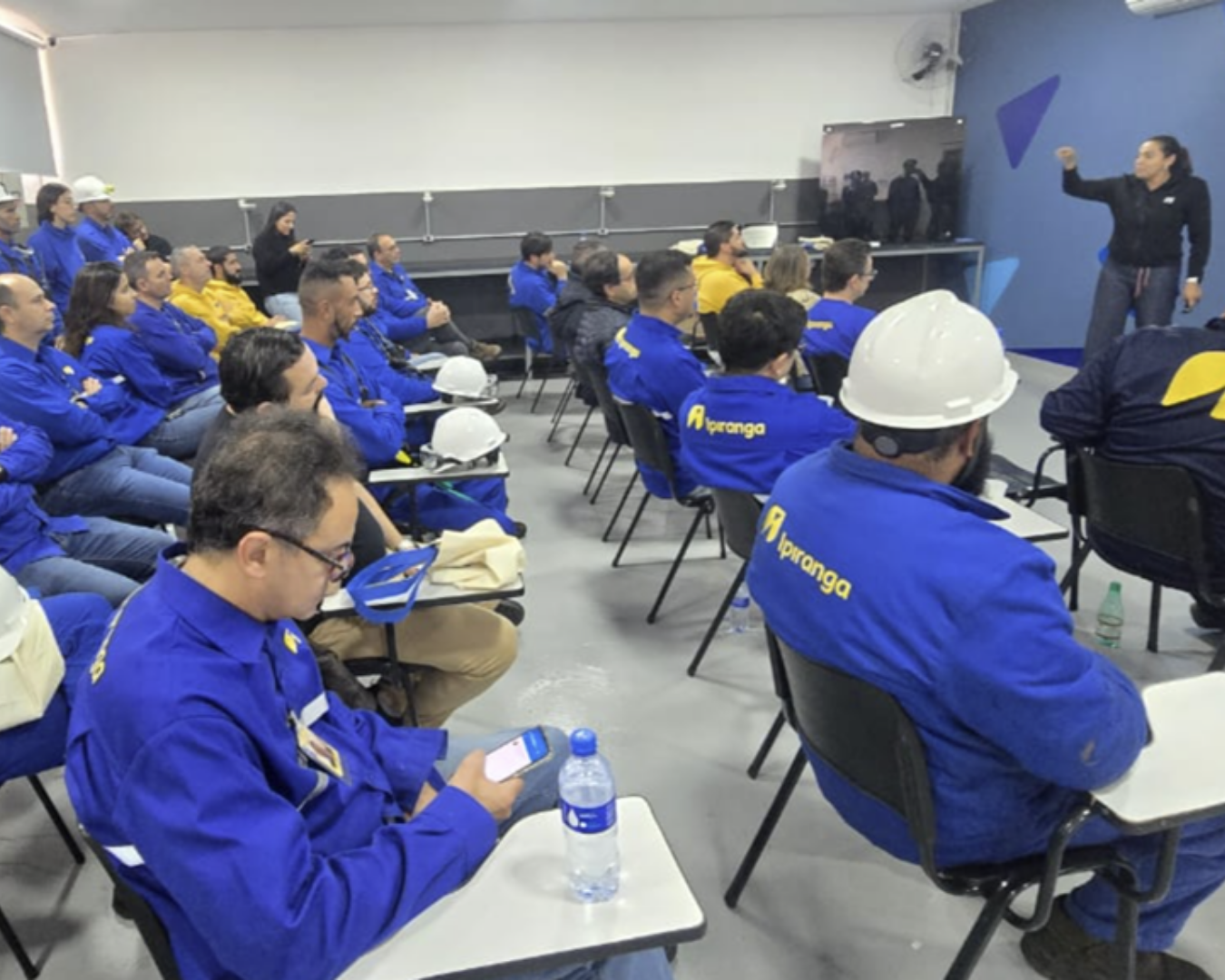
The successful delivery was made possible through close collaboration across DKI's global teams. Engineers and specialists from Brazil, Tunisia, Malaysia, and Australia worked together throughout the project, providing around-the-clock support, technical expertise, software development, and delivery coordination to ensure a seamless transition.
What Lies Ahead
With the São Caetano do Sul terminal now fully operational and stable, attention turns to the remaining 35 Ipiranga terminals. The successful deployment of the DL8000 integration, together with ongoing Multiload and TCC2 integration developments, provides a scalable framework that will accelerate future implementations across the programme.
This achievement reinforces Diamond Key International's commitment to delivering robust, scalable terminal automation solutions that support digital transformation, operational excellence, and long-term customer success for the global downstream energy industry.